IT is a common experience to lose respect for one’s betters with age, but the process seems to have accelerated in recent years. Let’s consider some of the classes we are supposed to look up to.
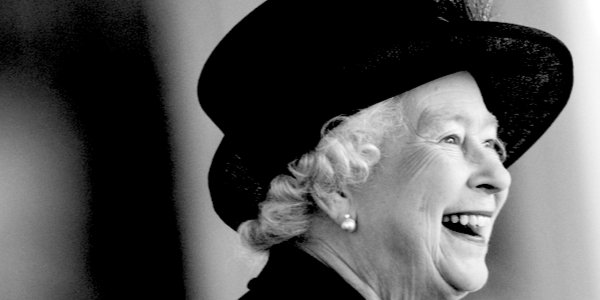
We admired the late queen. I’d argue that was more to do with what she didn’t do (express opinions) than what she did do (attend ceremonies) but even ardent republicans admired her. Less so her eldest son, although he’s had the sense to listen to his advisers and keep quiet about his nutty opinions. Princess Anne is old school and respected, if we spare her any thought at all. William, with his concerns about mental health, is a wet and a weed compared with his wife. As for the rest of them, the less said the better.
Politician have been losing status for a long time. Some of them (Johnson, Davie) act the buffoon. To others it comes naturally.
What we think of the professional classes has undergone a remarkable shift. Doctors used to be most admired but their behaviour during the covid scare exposed them. With scant evidence they barricaded themselves behind closed doors, shilled for the pharmaceutical companies and went on strike for more pay even as they did less. Now, if you can see a GP at all, it will be a female more concerned about her work-life balance than your health. She will of course send automated texts to remind you to get the latest injection so that she can get the £25 bonus.
Lawyers were admired more for their ability to charge fees than for their contribution to the peace of the nation. Many (especially those with no direct experience) would consider the judiciary to be an exception, but lately even they have lost prestige. The farce of the first- and second-tier tribunals bouncing immigration cases between them, the incoherence of procedure and punishment (aggravated by sentencing council guidelines), and the perception of two-tier justice has brought the judges into disrepute.
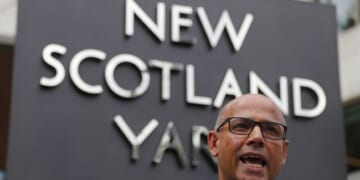
The police, the Parole Board and social workers have lost nearly all public support. Yes, many individuals are dedicated and competent, but the institutions have been hollowed out. (Incidentally, am I alone in suspecting that a large proportion of the drugs ravaging our prisons are brought in by the staff? The mere suggestion has the trade union in paroxysms of denial.) The upper ranks – trained by the College of Policing and equivalents – prioritise multicultural community relations above upholding the law. No wonder that many of the rank and file consider cowardice to be the best policy.
Teachers and lecturers have become ever more partisan. Mention any two or three of global warming, Gaza, Boris Johnson, immigration, welfare payments, special educational needs, racism, Brexit, Trump, DEI, peer review, affirmative action, indigenous science, school meals, phonics, Ofsted, colonialism, exam stress and watch the parent’s lip curl.
Charities used to be run by Christians, or a retired brigadier and a former quartermaster sergeant from his old regiment, getting the accounts done by a qualified chap at his golf club. Now they are huge corporations employing PR consultancies, advertising agencies and lobbyists to extract government funding. Unicef gobbles up billions – has it ever stopped a war or a famine? Oxfam lectures us about global warming, Save the Children about eating too much meat. Meanwhile donkey sanctuaries are swimming in cash from legacies and Guide Dogs for the Blind is short not of dogs, but of blind people.
The armed services have largely escaped the ebb tide of respect. This may be because the recent wars they have lost have been far away, and the public are so inured to government incompetence that when a procurement contract goes wildly over budget we shrug. We claim to punch above our weight, but mostly we’re incapable of punching at all. We have twice as many brigadiers as we have battalions and nearly as many civil servants in the Ministry of Defence as there are men in uniform.
The most egregious example of disenchantment is found in the churches. Supposedly a refuge, they resolutely locked their doors in 2020 and offered no comfort to the flock. The presence of a bunch of woke sexually ambiguous bishops on the red benches is a sick joke.
As honour for traditional pillars of society disappears, where should we look for new role models? The runners and riders on my race card look an unappealing field. Greta Thunberg, premier league footballers, computer games developers, imams, social media influencers, Andrew Tate, actresses, drill rappers? Forgive me for praying they all fall at the first fence.
Esteem can evaporate, reputation can be ruined. But power can only be transferred. This is true from the family to the village to the nation to the shared outlook that binds (some) nations together. Claiming that joining the EU would involve no loss of sovereignty was and is an outright lie.
Our current discontents stem from a reluctance to assume responsibility. The chancellor is mocked for blaming Brexit for her black holes, but they all do it. It was the fault of the previous lot (government, management, that bloke with the mop); it makes no difference. The abdication of responsibility by the elected politicians means that power translates to the unelected. In the first instance, this means to the civil service. They in turn devolve responsibility to quangos, NGOs, pressure groups and single-interest fanatics. The result is paralysis, unless it’s a £100million bat tunnel over HS2. Only a fool would apply for a job with responsibility but no power. So we have a parliament of fools.
Once the non-elected taste power, they are fiercely determined to hold on to it, but we need to wrest power back to where in a democracy it should belong. To a sovereign parliament. This will be a task not for one parliament but for a generation. Yes, Minister (a documentary, m’lud) was first broadcast in 1980, so it might take longer.