TALK of the UK banning X.com (the social media platform formerly known as Twitter) has re-emerged due to calls from ministers urging Ofcom to use its ‘full legal powers’ over unlawful AI images generated on the site.
In spite of the headlines, it is highly unlikely that the Government would announce a dramatic overnight ban. A far more realistic scenario is a gradual tightening of regulatory pressure that makes operating in the UK increasingly complex, risky or commercially unattractive, eventually forcing a strategic decision by the platform itself.
The most credible route would be through regulatory enforcement rather than political decree. Ofcom, acting under the poorly planned and draconian Online Safety Act, has wide-ranging powers to investigate, fine and issue compliance notices to platforms it believes are failing to meet statutory duties.
These powers are designed to escalate. Initial findings could lead to substantial financial penalties, followed by legally binding requirements to change how a platform operates. If non-compliance persisted, Ofcom could ultimately seek court-backed measures restricting access to the service within the UK.
If matters progressed that far, technical access restrictions would most likely be implemented at ISP level.
UK internet service providers can be ordered to block access using established techniques such as DNS blocking or IP address filtering.
These methods are already in use for copyright infringement and certain categories of unlawful content. They are not foolproof, but they are effective at reducing mainstream usage and visibility. For most casual users, the platform would simply stop working.
Alongside this, pressure could be applied through distribution channels. If sufficient government pressure was applied, removal of X from the Apple App Store and Google Play would prevent new users from downloading the app and this would slowly erode the active user base.
Another quieter option would be to impose increasingly onerous local requirements: a UK corporate entity, named senior managers and exposure to personal liability for regulatory breaches. In practice, this might be enough to encourage X.com to withdraw voluntarily rather than remain exposed to ongoing legal and financial risk.
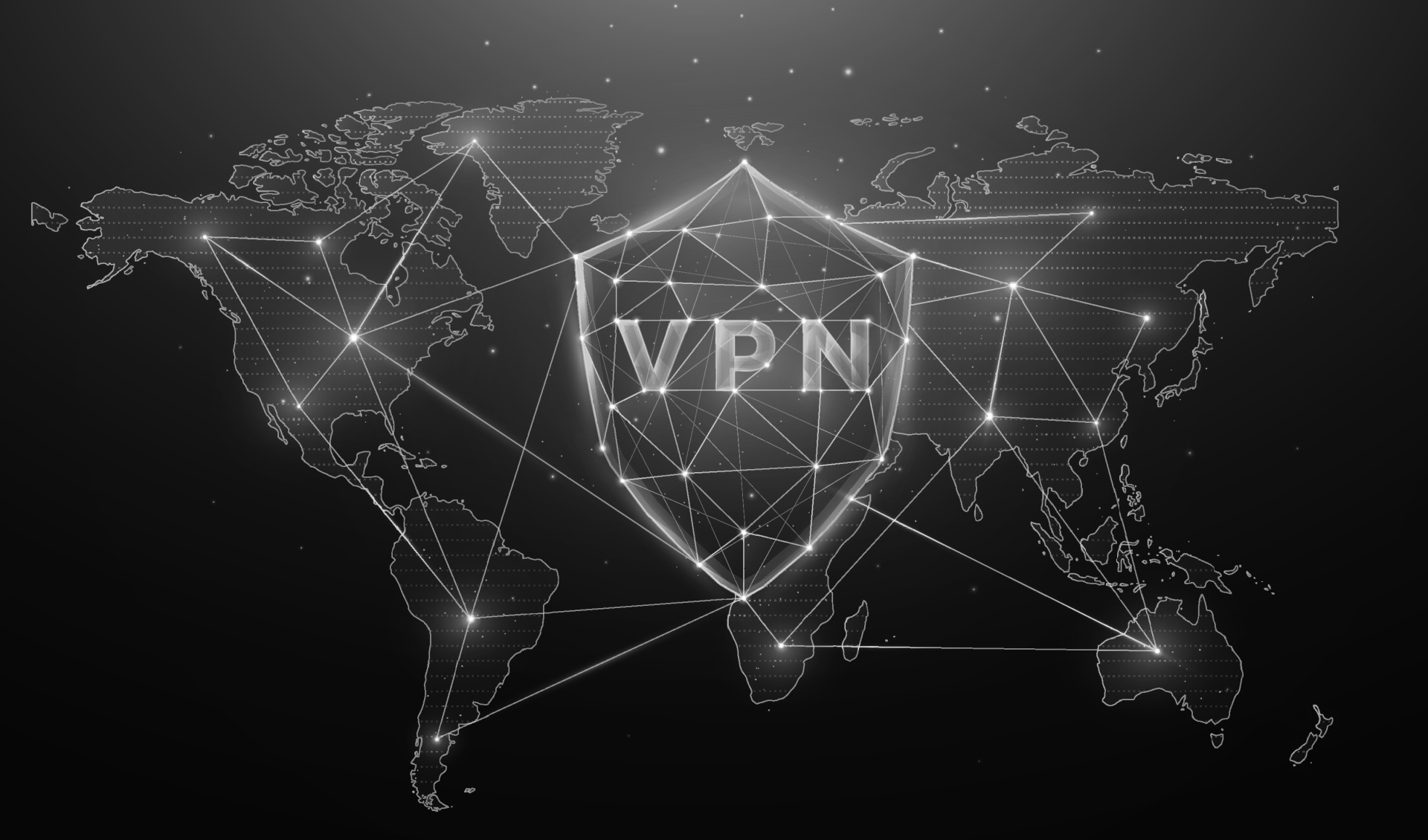
In any such scenario, attention quickly turns to virtual private network or VPNs to get around any potential ban. A VPN works by encrypting a user’s internet traffic and routing it through a remote server, typically located in another country.
To UK internet service providers, the connection appears to originate from that external location rather than from within the UK. As a result, domestic ISP-level blocks do not apply.
Encryption also means that the content of the traffic cannot be inspected in transit, which is why VPNs are widely used for secure remote working, protecting data on public Wi-Fi, and safeguarding confidential communications.
From a legal perspective, VPN use is entirely lawful in the UK. There is no general offence of using a VPN or of accessing a blocked website via one.
UK internet regulation is overwhelmingly focused on platforms, service providers and intermediaries, not on individual end-users.
As a result, while access restrictions would significantly reduce reach and scale, particularly among less technical users, they would not eliminate access altogether.
Journalists, businesses, researchers, techies and politically engaged users would continue to reach the platform using a simple-to-install VPN.
We have therefore partnered with and recommend Vp.net, a VPN provider built around privacy by design. Vp.net operates on a strict no-logging architecture, meaning user activity is not recorded or stored in the first place. For organisations and individuals concerned about confidentiality, data security and regulatory overreach, this design choice is critical. If there are no logs, there is nothing for any government agency to read. Your privacy is total, and any government ban on any site is rendered meaningless.
Any effective restriction on X would also face significant legal challenges. Blocking access to an entire social media platform directly engages freedom of expression protections, including the right to receive information. Measures that interfere with anonymity, encrypted communications or browsing behaviour engage privacy rights.
UK courts, applying the Human Rights Act and principles developed by the European Court of Human Rights, apply a demanding proportionality test. The Government would need to show that any interference is clearly defined in law, pursues a legitimate aim, and is necessary in a democratic society.
Ironically, it might be the ECHR that protects us from our own Government’s overreach.
TCW is an affiliate of VP.net and receives a fee for each successful sign-up. The service has been independently tested by our in-house technical expert, who is satisfied that it meets our standards and is happy to endorse its use.