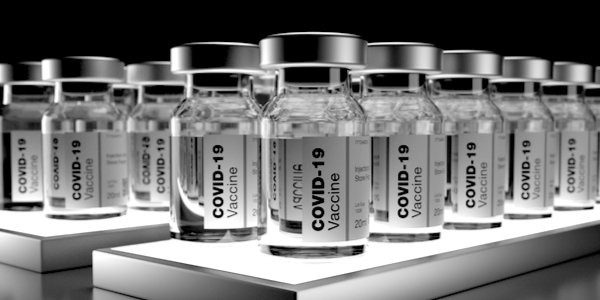
EPIDEMIOLOGIST Nicolas Hulscher, a researcher with the Peter McCullough Foundation, has just completed another review of mRNA vaccine damages, this time focusing on cancer. He has looked at 100 papers that link the incidence or the cause of cancer with the mRNA covid vaccines, has described mRNA jabs as ‘one of the largest carcinogenic exposures in history’, listing 20 increased cancer risk factors that studies have linked to the jabs.
Disturbingly, the other covid vaccines based on the spike protein delivered without mRNA technology (Novavax protein subunit vaccine and the now discontinued Johnson and Johnson/Janssen and AstraZeneca vaccines) he reports are not without association here too, due to features of the encoded spike protein of the Sars-2 viruses. Hence mRNA spike-based vaccines such as Pfizer and Moderna are delivering a double cancer ‘hit’.
When I first called out the fact that I was seeing an excess of cancer relapses in my melanoma patients in 2022 (see here and here) I suggested that this was likely to be because of the observed T cell suppression that was caused by the booster vaccine.
A Spanish team led by Benitez Fuentes and colleagues documented this beautifully in a study associating T cell exhaustion after booster vaccines in cancer patients. We therefore expected this to be a major problem in those cancers where T cell surveillance was known to be paramount in management, such as melanoma, lymphoma, renal and colorectal cancers.
However, it would appear that many other cancers not thought to be heavily dependent on T cell control have started to appear such as breast, prostate, pancreatic, thyroid and bladder cancer. Hulscher reviews epidemiological studies since the famous Gibo et al paper from Japan which showed such a clear link with each booster vaccine and cancer that it received an avalanche of attack demanding its withdrawal. Since then other studies from South Korea and Italy have confirmed this trend, with many other studies not necessarily highlighted in overall agreement.*
The main message here is that the cancers that have increased most are not necessarily the same in every study and cannot be blamed on immune compromise. The Gibo paper suggested a number of mechanisms whereby mRNA and the spike protein could induce cancers. It is worth highlighting some of them here.
T cell suppression is also associated with class switching of the immunoglobulins so that neutralising anti bodies (IgG1 and 3) become tolerogenic enhancers (IgG4).
The mRNA vaccines themselves have been shown to have unacceptable DNA capsid levels, with many containing SV40, a known carcinogen.
The mRNA has been shown to integrate into host DNA and a case where it has been shown to be integrated into a grade 4 bladder cancer is highlighted. Once integrated it causes disruption of thousands of genes at random and can activate oncogenes and interfere with many known oncogenic signalling pathways such as the RAS pathway. Of extreme concern is that it is capable of interfering with the major cancer suppression genes such as p53 and BRCA among others. This is a potential time bomb as mutations in these genes are known to be associated with cancers occurring at early ages.
There are other reasons as to why non-mRNA vaccines may also contribute as the spike protein causes chronic activation and inflammation which leads to micro-clotting and metastatic spread of any already developing cancer.
I have been working with colleagues on reviews of many ways that mRNA can induce cancer and can confirm that there are several hundred publications that are in agreement with the observations here. As a clinician I can confirm that I have seen many rare cancers occurring after covid vaccines, including ones not mentioned here such as gliomas and gall bladder cancers. The pattern is in younger people with cancers occurring at a more advanced stage, as first reported by the UK surgeon James Royle.
What is incredible is that the regulators and authorities have been so brainwashed or are in such denial that they have not reacted to what is probably the worst preventable cause of malignancy in human history. Criminal negligence does not even start to describe it.
***
* A new peer-reviewed case report, ‘Exploring the potential link between mRNA COVID-19 vaccinations and cancer: A case report with a review of haematopoietic malignancies with insights into pathogenic mechanisms‘, which has just come to my attention also examines the relationship between COVID-19 mRNA vaccinations and increased cases of cancers – including highly aggressive cancers, and the unexpected recurrence of cancers after decades of remission – as independently noted by oncologists such as myself.
Lifesite News reports its key finding, that ’emerging evidence suggests that the biodistribution and persistence of modRNA, facilitated by lipid nanoparticles, can affect various tissues and organs, including the bone marrow and other blood-forming organs. Notably, modRNA vaccines exhibit a particular affinity for the bone marrow’.
The authors of the report note that the rollout of the COVID-19 ‘vaccines’ was associated with an increase of excess mortality worldwide, and cite several studies:
A large population-based retrospective cohort study from South Korea, involving over 8.4 million adults from 2021 to 2023, which assessed the cancer risks within one year after COVID-19 vaccination and found that vaccinated individuals had a 27 per cent higher overall risk of developing cancer compared to those unvaccinated. Significant increases were noted for lung, prostate, thyroid, gastric, colorectal, and breast cancers.
A recent study performed in Japan, which showed that the age-adjusted death rates for leukaemia, breast, pancreatic, and lip/oral/pharyngeal cancers increased significantly in 2022 after a large portion of the Japanese population had received the third dose of the modRNA vaccine, as compared to 2020, the first year of the pandemic, when no mass global genetic vaccinations were given.
A long-term population-wide cohort study in Pescara province (Italy) which analysed nearly 300,000 residents over 30 months (June 2021 to December 2023) and investigated the relationship between COVID-19 vaccination and cancer hospitalisations and found that vaccination was associated with a 23 per cent increased risk of cancer hospitalisation after receiving one or more doses. While statistically significant increases in risk were observed for breast cancer (+54 per cent), bladder cancer (+62 per cent), and colorectal cancer (+35 per cent) after at least one dose.