Image Credit: John Partipilo
***Note from The Tennessee Conservative – this article posted here for informational purposes only.
By Cassandra Stephenson [Tennessee Lookout -CC BY-NC-ND 4.0] –
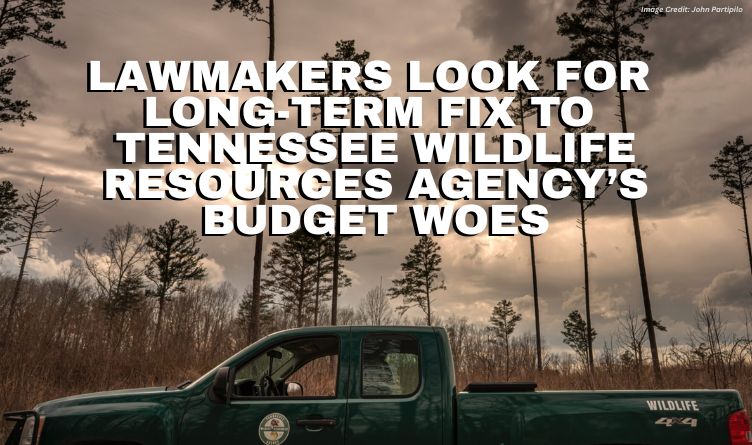
Tennessee lawmakers are looking for new, stable revenue sources to fill shortfalls in the Tennessee Wildlife Resources Agency’s budget.
Agency Director Jason Maxedon warned lawmakers in February that the agency’s Wildlife Fund — which is used to maintain wildlife management areas, fish stocking, enforcement and shooting ranges — will be depleted by fiscal year 2030 if nothing changes.
The agency needs about $18.5M in recurring revenue to provide security over the next decade, Maxedon said.

The agency has been funded mainly through hunting, fishing and boating license fees and federal reimbursements, but expenses have ballooned as the legislature has placed more responsibility on TWRA. License fees have not been adjusted since 2015, so costs have overtaken revenue, Maxedon said.
“This method is no longer sustainable, not just in Tennessee, but all the other states across the country that are self-funded through the sale of hunting and fishing licenses,” he said.
Lawmakers are considering two bills that would divert money currently flowing to the state’s general fund to TWRA.
One bill would steer 10% of the Tennessee Valley Authority’s annual payment in lieu of taxes to the wildlife agency, amounting to about $16.8 million in recurring revenue. Maxedon said this amount would cover the department’s yearly funding deficit.
Huntingdon Republican Sen. John Stevens, one of the bill’s sponsors, said it represents a “major policy shift” for the state, giving TWRA a stable funding stream for mandates previously set by state law that were not paired with new funding to accomplish them.
“I think using TVA funds is an elegant solution, because it matches a revenue stream with responsible asset management,” Stevens said, noting that TWRA oversees many of the utility’s assets.
The Senate Energy, Agriculture and Natural Resources Committee voted to recommend the bill’s passage and referred the legislation to the Senate’s finance committee, which will be tasked with trying to fit the new proposed cost into the year’s budget. The bill was placed behind the budget in the House, meaning it will only proceed if the legislature makes adjustments to the proposed budget to cover the bill’s cost.
Another bill sponsored by Rep. John Crawford, a Bristol Republican, would earmark state sales tax on recreational vessels, their accessories and wildlife-related outdoor recreational goods for TWRA.
The bill’s fiscal note estimates it could divert roughly $272 million from the general fund to TWRA. But the legislation’s impact is difficult to predict, because it would depend on retailers correctly identifying eligible items. It’s also unclear how the reallocation might conflict with earmarks already in place, such as special tax districts like Tourism Development Zones, according to the fiscal note.
The bill has been assigned to finance subcommittees in both the House and Senate as of February.
Separately, the agency is also eyeing potential licensing or put-in fees for paddle craft as an added source of future revenue, which would help pay for services used by paddlers and maintenance for put-in locations, Maxedon said.

Newest budget request includes cost increases
Lawmakers last year enacted a law allowing TWRA to use funding historically set aside for purchasing wetland habitats and state property maintenance for law enforcement expenses. That funding comes from 3.25% of the real estate transfer tax, totaling about $23 million each year.
TWRA Wildlife Officers enforce boating, hunting and wildlife safety laws.
Within the last budget cycle, the agency spent about $16 million on law enforcement, but Maxedon said the law will not “take care of our funding issue.”
While TWRA plans to halt land purchases in the future, it must keep $6 million on hand for emergency acquisition of particularly valuable properties, Maxedon said. The remaining $4 million in the fund won’t last long.
TWRA’s $161.6 million budget request this year includes several cost increases:
- $3.4 million in recurring funding for 4.5% statutory salary step increases for employees
- $10 million in one-time money from the state general fund for deferred maintenance
- $2.5 million in recurring funding to reimburse the agency for sportsman’s licenses provided free of charge to Tennessee National Guard members
- $100,000 in recurring funding for Hunters for the Hungry
Maxadon said much of the agency’s cost overruns come from unfunded mandates.
The General Assembly tasked TWRA with managing and maintaining Lake Alford, which cost about $1 million in the first year and is expected to cost $500,000 each year after.
Other costs come from unfunded, state-mandated salary compensation packages and expanded management of non-game animals.