EARLIER this month, Reform UK, Nigel Farage’s latest political incarnation, proposed one of the sharpest political ideas of modern times: to site new migrant detention centres in areas that vote heavily for the Green Party, which famously advocates for a ‘world without borders’. Likely locations include the historic Green Party stronghold of Brighton, but after last week’s local election success the list could easily extend to newly-won councils in Norwich, Hastings, as well as the London boroughs of Hackney, Lewisham and Waltham Forest. This is nothing short of a masterstroke in political simplicity: holding people to the professed beliefs they routinely foist on others.
The genius of such a policy lies in its symmetry. For years we have been told that opposing mass, uncontrolled migration is ‘racist’, ‘far-right’ and ‘morally bankrupt’. Those who preach this doctrine however, have customarily done so from the safety of low-crime, high-property-value postcodes, where the practical consequences of their ideology are someone else’s problem. Reform’s proposal flips the script. It says: you voted for it, you lecture the rest of us about it, you obviously believe in it – now live with it on your own doorstep.
Far from mere politicking, the idea demands the bare minimum of political integrity for politicians and voters alike. Democracy works best when the electorate understand that their choices have consequences. ‘Virtue-signalling’ meanwhile, that favoured indoor sport of the metropolitan left, is designed specifically to reward the signaller while costing him precisely nothing. A rainbow flag on a social media profile, a ‘refugees welcome’ hashtag, or a solemn dinner-party declaration that Britain is a ‘nation of immigrants’ rarely come with the danger that such views will be tested in court.
But this is contrary to any semblance of reality. Beliefs, faiths, and principles carry costs, often expensive ones. Christian faith in a Muslim country can be hazardous to your health; belief in the rule of law when finding oneself at knife-point equally so. It is only when people are prepared to pay that price that we can believe they genuinely hold those views. Reform’s plan is nothing more than an extension of that principle.
The reaction has been gloriously revealing. Within hours of the proposal, left-wing politicians and activists were queuing up to denounce the move. A Green Party spokesperson said it was a ‘disgusting idea’, accusing Reform of ‘making abhorrent announcements in attempts to distract voters’. Labour Party chair Anna Turley described the policy as ‘grotesque’. The ultimate giveaway, however, was by those who somehow saw the manoeuvre as ‘punitive’. Scottish Greens co-leader Ross Greer didn’t mince his words on Farage: ‘He is threatening the people of Scotland. This is straight out the Trump playbook, where you punish people for voting a way that you didn’t want.’
‘Punish’ them by giving them exactly what they voted for?!
Far from celebrating the prospect of getting what they say they want, the ‘refugees welcome’ brigade appear to have had a fit of nimbyism. Perfectly happy for small hotels in deprived coastal towns or former military bases to house hundreds of young men they may be, but the moment the same policy is suggested for their own leafy suburb, the mask slips. In other words, they don’t believe their own rhetoric.
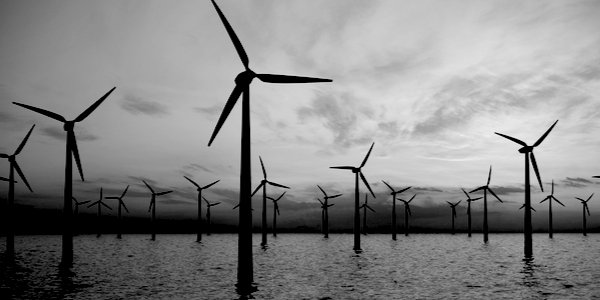
Seeing that the left have suddenly discovered their common sense, I see no reason why such policies could not be rolled out across the board. Why not impose a modest extra local precept on areas that consistently vote for eye-watering foreign aid budgets? Let those who love to spend other people’s money see how they like it when it’s their pockets being picked. Concerned about climate change? No problem! You can be the first to host the unreliable and unsightly wind turbines that blight the landscape. Insist there’s no relationship between crime and immigration? Perfect! We’ll relocate all the high-risk migrants into your low-crime neighbourhood; let us know how you get on.
Perhaps this approach seems harsh, but it’s worth considering that it’s only ‘harsh’ or ‘punitive’, because of the disingenuous attitudes of left-wing voters and politicians. Small ‘C’ conservative, Reform-voting areas have never pretended to be pro-immigration. Indeed, they have been forced to live with the consequences for years and simultaneously lectured about their supposed bigotry.
This ‘you voted for it, now live with it’ approach is not new. In 2022, Republican governors in Texas, Arizona and Florida relocated thousands of immigrants to Democrat-run states, precisely because of the Biden administration’s lax border policies. Buses carrying people primarily from Venezuela were dumped outside Vice-President Kamala Harris’s residence in Washington DC, while planes flew migrants to the ultra-wealthy playground of Martha’s Vineyard. The howls of outrage were instantaneous. Suddenly the mayors who had spent years virtue-signalling found themselves declaring emergencies and pleading for federal cash. The stunt was crude, perhaps, but it worked. It forced reality into the conversation, and exposed the gap between elite rhetoric and practical governance.
Britain’s political class could do with the same dose of honesty. Thus far, those seeking to proclaim their virtue by supporting open borders have paid no price – benefits without (third-world) friends, so to speak. For Millionaires’ Row, mass immigration translates to little more than cheap labour, exotic nannies, and (in those immortal Question Time words) ‘someone to serve our coffee in Pret’, all the while feeling morally superior to the vulgarians and plebs who oppose it. That double standard may finally have had its day.
And that, in the end, is what good politics should do: put the price of hypocrisy on full display. No more lectures from the cheap seats. No more consequences for the little people only. Welcome to accountability, Comrades. You might even find it character-building.
This article appeared in the Frank Report on May 18, 2026, and is republished by kind permission.