OVER the weekend I presented the hubby with a bill for $40,000 (£30,000). I have given him 30 days to pay. I’m not a monster.
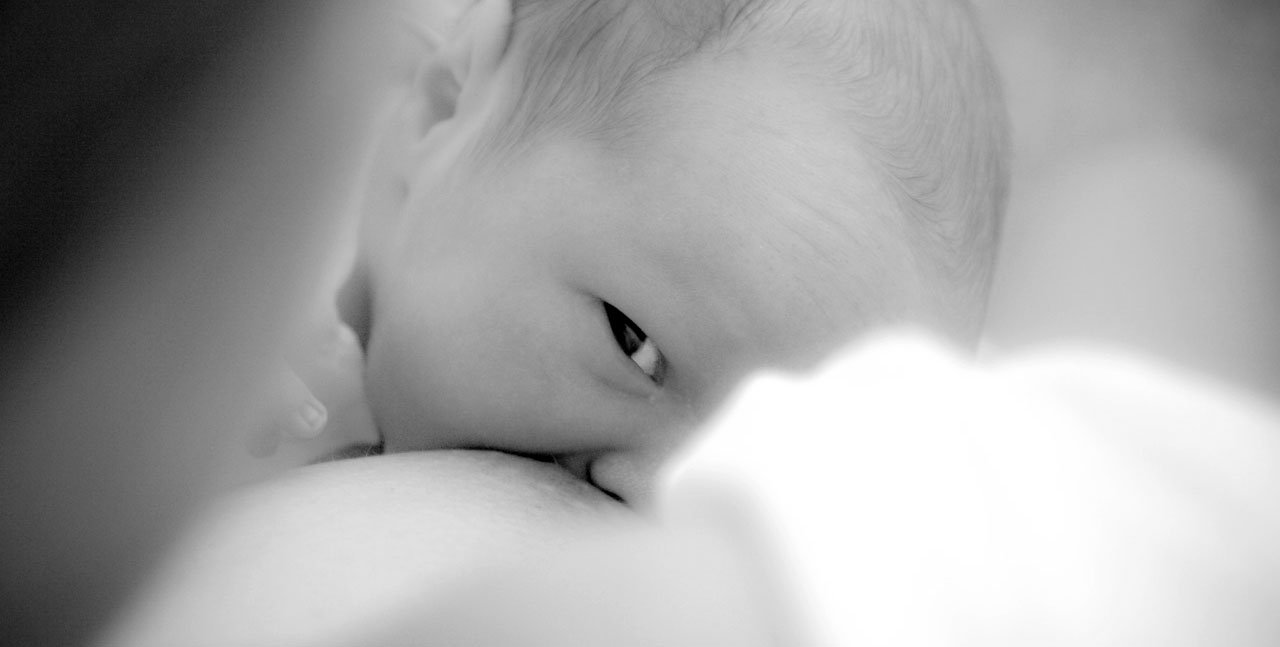
Of course he demanded some sort of ‘explanation’. Oh, I said, yes, that’s the bill for breastfeeding the four children. I have decided not to add interest, which by rights I could, as a gesture of goodwill. I repeat: I’m not a monster.
It turns out that the boffins at Yale University, no less, have put a price tag on a year of breastfeeding. ‘A 2023 study from Yale researchers found that when you account for supplies, extra food, and the time required to sustain breastfeeding, it can cost mothers upwards of $10,000 [£7,500] a year – hardly the free, natural arrangement it’s made out to be.’
That was cited in a piece in Marie Claire with the headline: ‘The Big Business of Breastfeeding‘.
A subdeck reads: ‘Pumps, apps, consultants, supplements, stash culture – feeding a baby now comes with an entire economy of labour, spending, and creeping anxiety.’
Who am I to argue with the genius professors at Yale? I shall not, and neither, might I add, do I expect an argument from hubby. Next they will be talking about the ‘breastfeeding industrial complex’.
I enjoyed this piece almost as much as I did about what the average salary of a stay-at-home parent would be, as reported in the Irish Independent. According to a survey commissioned by life insurance and pensions provider Royal London Ireland, the estimated annual salary of a stay-at-home parent should be €60,000 (£52,000). You can add a zero to that as I have been doing this fandango for at least ten years. I’m quids in. By the time I cash the breastfeeding cheque and the stay-at-home parent cheque I won’t ever have to write again. You will find me on a cruise ship, or if not a virus-infested cruise ship, somewhere very nice indeed.
Also, according to Marie Claire, the breastfeeding number ‘still doesn’t fully capture the intangible, from lost time and income to the mental load of breastfeeding’. The mental load! This ‘mental load’ phrase is everywhere these days. That was what our parents called ‘having responsibilities’ but now it is called the mental load under which we all labour, especially mothers.
The piece overall is a classic case of anti-natalist propaganda you only get in the West. It seems to prey on women’s insecurities. Perhaps an entire industry has evolved around breastfeeding. But I don’t think it is right to refer to the mental load of breastfeeding.
Yes, keeping your newborn alive does require some thought; you can’t just abandon him or her for a shopping trip. Is there a mental load attached to all the responsibilities involved in caring for a tiny infant who is utterly dependent on its mother to survive? Yes, that is motherhood. What is the mental load then of changing their nappy, or rubbing their tummy, or smelling their beautiful hair? Can we please stop with this mental load business? Yes, being a mother is a huge responsibility. That’s why it was a respected role until the feminists came along and told us it wasn’t that important after all.
I did however agree with this: ‘What all of these [breastfeeding aids] are really filling, sociologist Caitlyn Collins tells me, is a much deeper lack of support. In the US, new mothers are often left alone to figure things out – without enough time off, without consistent affordable help and without the kind of built-in support from family or community that would make those early months, and the questions that come with breastfeeding, more manageable. The result is that many women end up piecing together answers on their own, often before their bodies, schedules, or feeding plans have fully stabilised. In Collins’s words, “Products and services do not make a community. They help to ease the hurt of living without one”.’
Indeed, how the West treats new mothers is absolutely bonkers. Many new mothers have already moved away from their natural support systems of mothers, sisters and aunts for their careers. They are then left completely clueless and lonely when a new baby comes along. I should know, as this is what I did.
The West is unique in expecting new mothers to pretty much go it alone once a baby arrives. As women become mothers later on and there are fewer and fewer siblings and cousins around, the mothers of the future will have very little experience of babies and toddlers. The grandmothers will also get older. In the West this means one thing: the Machine will step in to offer ‘solutions’ that always cost quite a bit of money. The maternal anxiety and competition and feelings of inferiority are only exacerbated by anti-social media. This isn’t normal.
New mothers – whether breastfeeding or not – need proper support and not just expensive stuff. With low and declining fertility rates, the support system once taken for granted will only shrink.
In the meantime I’m off to the bank to cash that cheque.