This is the first in a three-part series.
***
I. We have been here before
WITH the signing of the Treaty of Paris in 1783, the United States hoped it would enter a new era of global free trade. Without the protection of the powerful British Royal Navy, American merchants quickly found themselves defenceless against Barbary pirates. The Mediterranean was vital to American prosperity. Presidents George Washington and John Adams chose to pay tributes to the Barbary pirates, but the bribes failed to ensure full protection and were subject to the shifting moods of the rulers of Tripoli, Tunis, Morocco and Algiers. With ransom amounts escalating, newly elected President Thomas Jefferson sent America’s re-established Navy to confront the Barbary powers.
Congress authorised the president to subdue, seize and make prize of all vessels, goods, and effects belonging to the rulers threatening American commerce, and to cause to be done all such other acts of precaution or hostility as the state of war would justify. The line ‘to the shores of Tripoli’ in the Marine Corps Hymn is not poetry. It is a record of what happens when America stops paying ransom and starts paying warriors.
The founders had a tool for exactly this situation. It is called a letter of marque and reprisal. It is written into Article 1, Section 8 of the Constitution. It authorises Congress to license private armed vessels to operate against enemies of American commerce under the authority of the United States government. Jefferson used it. Congress authorised it during the War of 1812. It has never been repealed. It has simply never been picked up by a generation of lawmakers too cautious to reach for it.
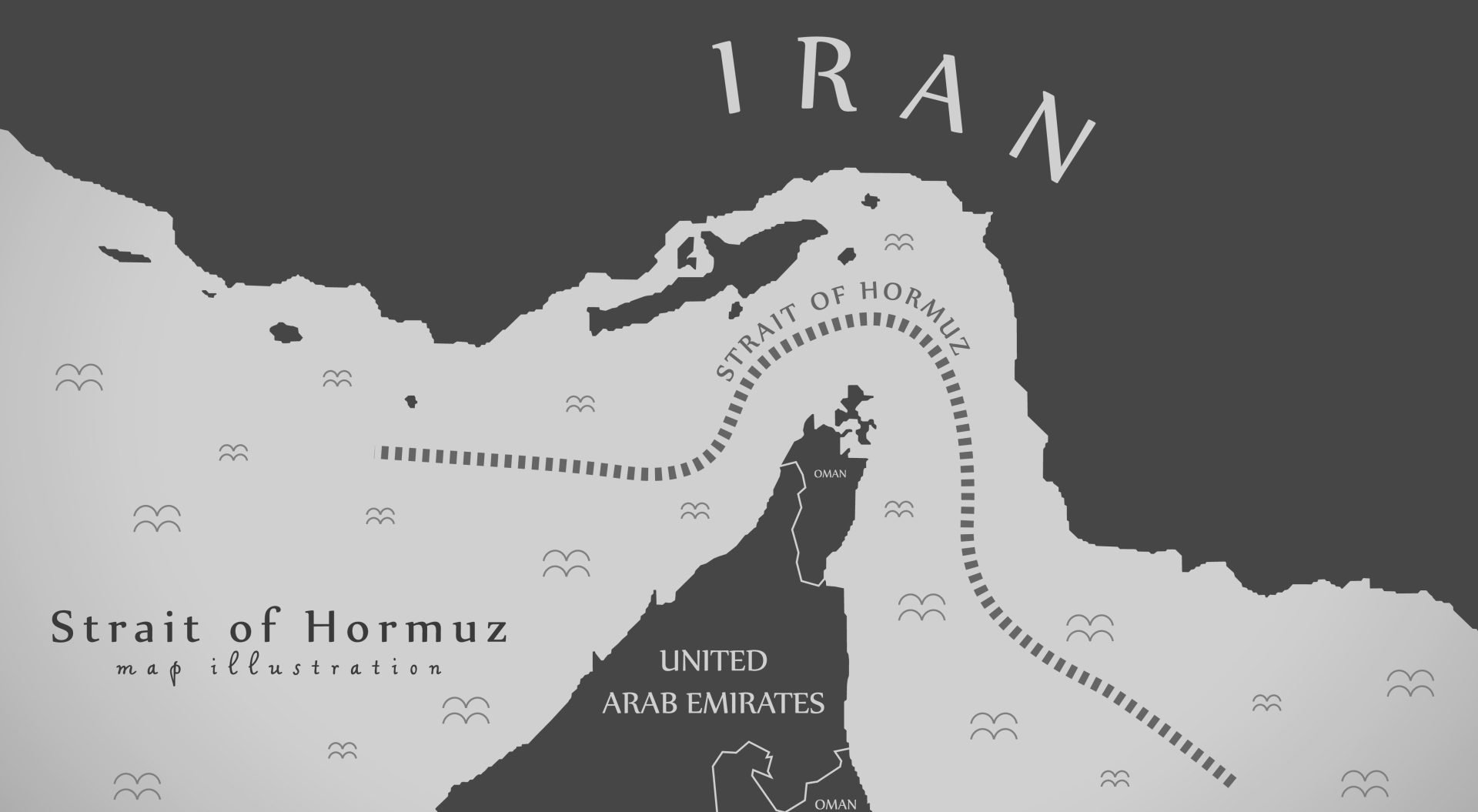
The Strait of Hormuz is closed. It is time to reach.
II. Incentives determine outcomes
I believe deeply that incentives are the most underrated force in human affairs. More than ideology, more than speeches, the structure of incentives shapes what people actually do.
The current incentive structure around the Strait of Hormuz is a disaster, and it is a disaster by design. Lloyd’s of London collect war risk premiums when the strait is dangerous. They collect nothing special when it is safe. The US Navy deploys carrier strike groups to manage the threat environment, not eliminate it. Diplomats earn their relevance from ongoing negotiations with the people creating the crisis. Iran extracts leverage from the pain it inflicts. Vladimir Putin collects a windfall without firing a shot.
Every single one of these actors benefits more from a simmering threat than from a solved one. The incentive structure points everyone toward managed misery and away from resolution.
The goal is not a managed strait. The goal is an open strait, permanently, with the idea of closing it occurring only to suicidal men who are genuinely eager to die.
You achieve that goal by building an incentive structure that pays people generously for opening the strait, keeps paying them as long as it stays open, stops paying them if it closes, and makes the threat to close it so immediately and personally dangerous to anyone who attempts it that the attempt itself becomes a form of self-execution. That is not a metaphor. That is a contract structure. And it is what a letter of marque makes possible.
III. Who wins when the strait closes
Before the solution, consider the alignment of interests Congress should be staring at right now.
Russia is by far the biggest winner. The closure of the Strait of Hormuz has flipped the global oil market from surplus to deficit. Russian oil has gone from global pariah to being extremely sought after, with the discount on Urals crude versus the global Brent benchmark almost disappearing. If this is allowed to persist, Russia will reap another 2022-style windfall, the kind that in one year made up for all of Russia’s official foreign exchange reserves frozen by the West. Russia’s oil and gas tax revenue increased by 32.4 per cent year on year in May to $9.3billion, thanks to the global oil price rally fuelled by the Middle East war.
Every day the strait stays closed, Vladimir Putin collects a dividend he did nothing to earn except sharing intelligence and encouragement with the IRGC. The men threatening shipping in the Strait of Hormuz are functionally writing Putin a cheque.
Saudi Arabia’s oil revenues grew by 4.3 per cent during the closure, as it activated pipeline alternatives that other Gulf states do not have. Riyadh is not engineering this crisis. It did refuse use of its bases when Trump could have ended it with Enduring Freedom.
The devastated parties are the ones who cannot reroute. Iraq and Kuwait saw oil export revenue decreases of around 75 per cent. About 93 per cent of Qatar’s and 96 per cent of the UAE’s LNG exports transit through the strait, representing 19 per cent of global LNG trade. India, South Korea, Japan and most of developing Asia are absorbing an energy shock with no bypass available. Transpacific container rates to the US West Coast are up 40 per cent since before the war. Asia to North Europe rates are up 20 per cent. Brent crude has exceeded $90 per barrel and tanker freight rates have spiked to $800,000 per day at peak disruption.
The people who benefit from a closed strait are Russia, Lloyd’s of London, and Iran. The people who suffer are American consumers, our Asian allies, the Gulf states we are defending, and the developing world. Once you see that alignment clearly, the case for a radically different approach becomes obvious.
Tomorrow: Insurance fuels the threats