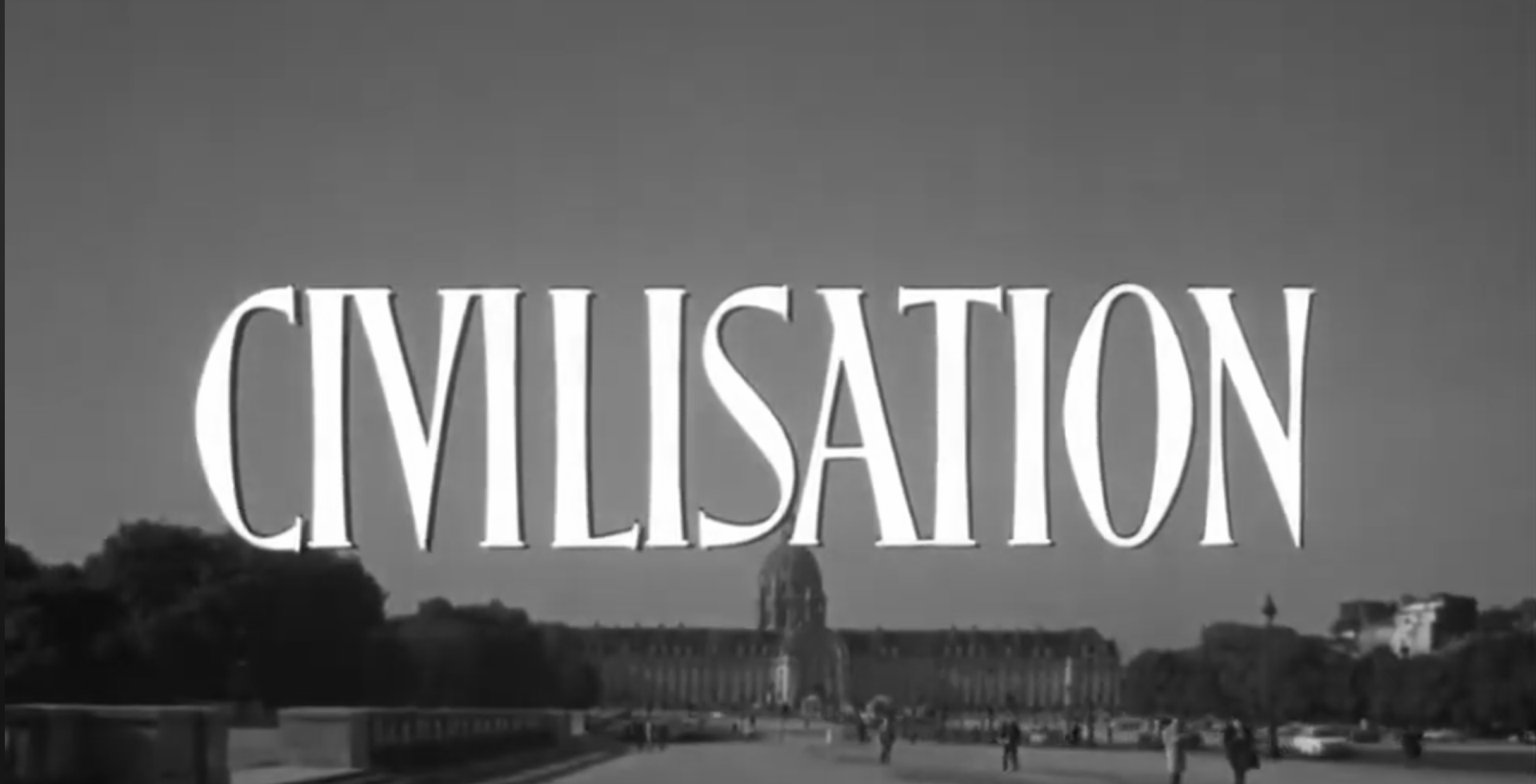
TODAY we come to the eleventh episode of the seminal British television documentary series written and presented by the art historian Sir Kenneth Clark in 1969 and that the New Yorker at the time described as revelatory. The paper was not alone in its praise. Clark’s achievement eclipsed the snobbery (inverted or otherwise) that he always suspected he would encounter from fellow intellectuals. He proved the naysayers wrong.
When first shown this series about high culture, art and architecture was watched by approximately 2.5million viewers, showing that ordinary people were open to the ‘highest’ things that television could offer. Writing in the Observer after Clark’s death in 1983, Julian Barnes expressed his continuing admiration for Civilisation: ‘If anything is going to date this series it will be its humane decency, its quest for the longer view and the golden thread, and its admiration for the great artists. Such beliefs now echo strangely in a world of shrill pundits.’
A comment even truer of today than of the 1980s.
Who else has so brilliantly traversed or explained the different elements and key developments of Western art, architecture and philosophy since the Dark Ages, with such skill in communicating their meaning and beauty? You can read my fuller introduction to this extraordinary accomplishment, why it needs to be watched again (or for the first time) and to Part 1 of the series here.
In ‘The Worship of Nature’ Clark marks the profound shift in European thought and art during the 18th and early 19th centuries, the rise of Romanticism and the celebration of the natural world. It is evident in the work of J M W Turner, and his use of light and colour to express the raw power and emotion of nature, capturing the sublime rather than merely documenting a scene. It’s seen also in the poetry of William Wordsworth. The movement was associated with a new belief in the inherent divinity of nature which Clark argues replaced traditional Christian faith as the period’s most powerful source of artistic and philosophical inspiration, not least in the ideas of Jean-Jacques Rousseau and his (antithetical to Christian) concept of the natural goodness in man.
If you appreciated this article, perhaps you might consider making a donation to The Conservative Woman. Unlike most other websites, we receive no independent funding. Our editors are unpaid and work entirely voluntarily as do the majority of our contributors but there are inevitable costs associated with running a website. We depend on our readers to help us, either with regular or one-off payments. You can donate here. Thank you.
If you have not already signed up to a daily email alert of new articles please do so. It is here and free! Thank you.