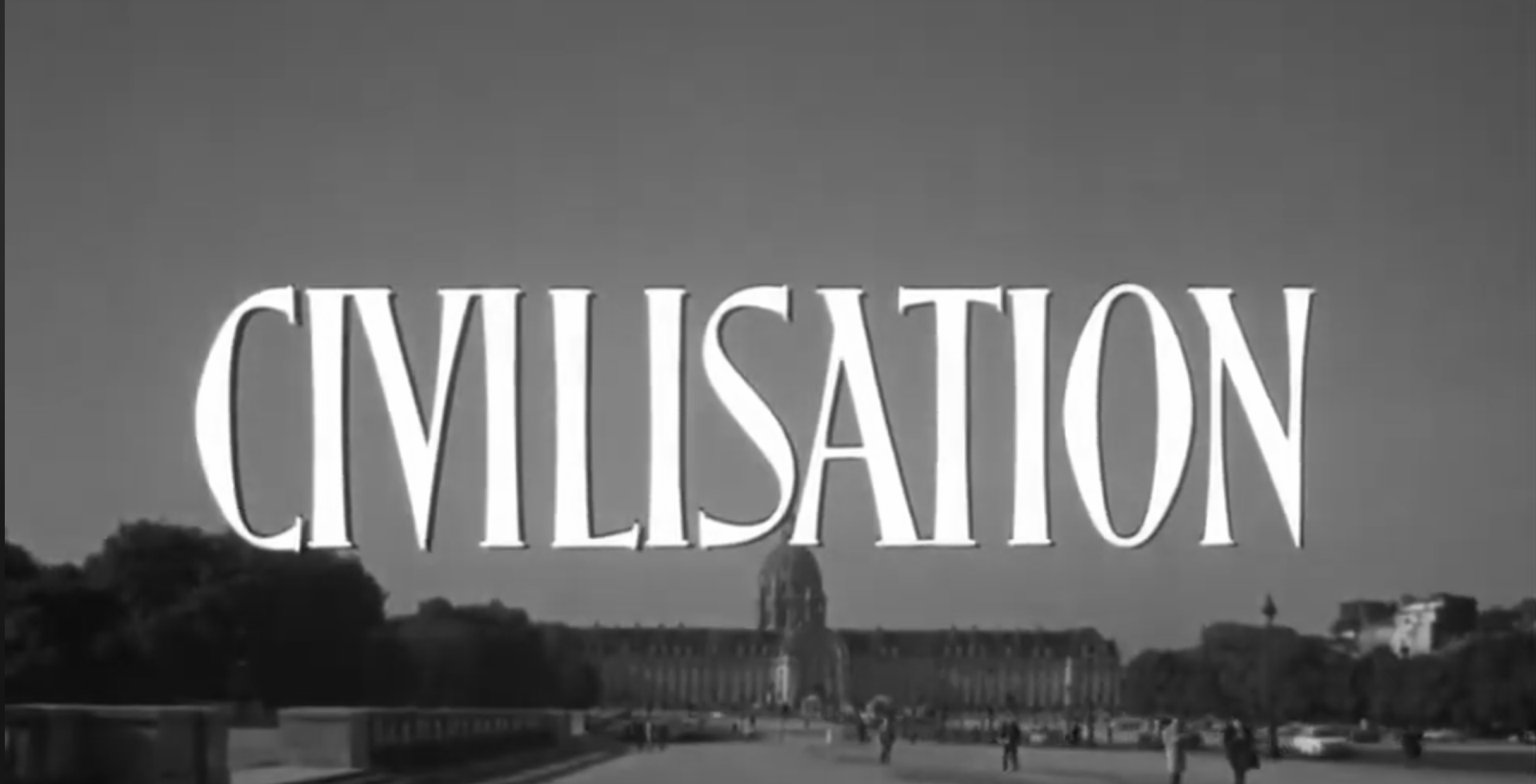
Today we come to the eighth episode of the seminal British television documentary series written and presented by the art historian Sir Kenneth Clark in 1969 that the New Yorker at the time described as revelatory. Over the 13 episodes Sir Kenneth traverses and explains the different elements and key developments of Western art, architecture and philosophy since the Dark Ages, communicating their meaning and beauty. You can read my fuller introduction to this extraordinary accomplishment, why it needs to be watched again (or for the first time) and to Part 1 of the series here. Part 2 is here, Part 3 is here, Part 4 is here, Part 5 is here, Part 6 is here and Part 7 here.
The programmes are characterised by Clark’s physical exploration of the monuments, music and actors of our cultural past as well as by his intellectual one. This approach was groundbreaking, and Clark’s compass enormous. The visual excitement of the series continues in Holland and the great Dutch artistic enlightenment; with what Clark calls the first great school of landscape or skyscape painting that marked a revolutionary change in thought. And in the extraordinary humanity expressed in the paintings of Rembrandt and Vermeer. Key to this revolution in thinking is the French philosopher René Descartes (1596 -1650), scientist and mathematician too, a seminal figure in the emergence of modern philosophy and science.
Staying in northern Europe, Clark moves Britain to the foundation of the Royal Society in 1660. It was inspired by groups of physicians and natural philosophers who had been meeting at a variety of locations, including Gresham College in London and Wadham College in Oxford University, and were influenced by the new science as promoted by Francis Bacon in his New Atlantis. The Society’s common theme was to acquire knowledge through experimental investigation, another remarkable intellectual development. The programme culminates with Sir Christopher Wren and his architectural impact on our own capital city.
If you appreciated this article, perhaps you might consider making a donation to The Conservative Woman. Unlike most other websites, we receive no independent funding. Our editors are unpaid and work entirely voluntarily as do the majority of our contributors but there are inevitable costs associated with running a website. We depend on our readers to help us, either with regular or one-off payments. You can donate here. Thank you.
If you have not already signed up to a daily email alert of new articles please do so. It is here and free! Thank you.