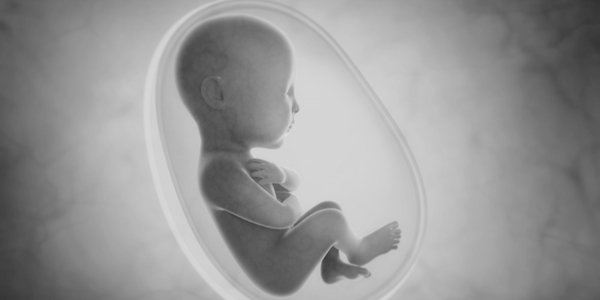
BRITAIN has a secret it does not want to admit: abortion has become a business. Politicians avoid it, the media whisper about it, and the public, numbed by the rhetoric of ‘choice’ and euphemism of ‘reproductive health’, are kept unaware of its true scale.
Behind this silence lies a human rights crisis of unprecedented magnitude. Every year, hundreds of thousands of unborn children die, countless women are harmed, and the moral fabric of our nation erodes.
A Whitestone poll (May 2025) exposed a shocking gap between perception and reality. One in three adults think fewer than 50,000 abortions take place each year in the United Kingdom. Half believe the number is under 100,000.
In reality, it is more than 250,000 and rising. Estimates suggest Britain may surpass 300,000 abortions in 2025 — over 800 unborn children lost every day.
When Britons are told the truth, 41 per cent say it is too many and believe society should seek ways to reduce the number. Parents of children under 18 feel this most strongly, by a margin of 52 to 29 per cent.
Yet Westminster treats abortion as a settled ‘healthcare’ issue. It is not. The silence is political, not public. People know something is profoundly wrong, even if their leaders refuse to admit it.
The British public is far from comfortable with abortion on demand.
Forty-six per cent want the 24-week upper limit reduced.
Only five per cent, one person in 20, support abortion ‘on demand up to birth’.
Fifty-three per cent say abortion should not be permitted if a baby could survive outside the womb.
Sixty per cent reject the idea that abortion should be legal for any reason, up to birth.
These are mainstream views, not fringe opinions. When asked about key stages of foetal development — heartbeat, pain perception, and viability — support for abortion collapses. The British conscience remains uneasy even if Parliament does not.
If abortion were truly about compassion, providers would show humility. Instead, we find an industry that is vast, well-funded, and profitable.
MSI Reproductive Choices (formerly Marie Stopes International), the largest provider of abortions in Britain, reported income of over £414 million in 2023. Its chief executive received a bonus exceeding £230,000 for ‘exceptional results’. The UK taxpayer has handed hundreds of millions of pounds to such providers, both at home and overseas.
This is not the language of care. It is the language of commerce. Abortion in Britain is big business, with financial incentives tied directly to the number of procedures performed. Independent counselling, medical verification, and proper oversight are resisted because every life saved represents lost revenue.
For conservatives who believe in accountability and the sanctity of life, this should be intolerable. Conflicts of interest are unacceptable in finance or pharmaceuticals. Why are they tolerated when the stakes are life and death?
Eight in ten Britons want women offered independent counselling before abortion, from someone with no financial stake in the outcome. Almost nine in ten want doctors to explain the trauma of aborting alone at home. Three-quarters demand proper medical checks before abortion pills are prescribed.
These are basic safeguards. Yet abortion providers oppose every one of them, claiming they ‘restrict access’. In truth, they restrict profit. Women pay the price — isolated, misinformed, and often left to cope alone.
And don’t believe the industry spin that medical complications are extremely rare — they are not. Since the disastrous pills by post policy was introduced in the spring of 2020, no fewer than 54,000 women have been hospitalised.
Research published earlier this year in the Journal of Psychiatric Research, which analysed more than1.2 million pregnancies in Quebec hospitals, including 28,721 abortions, found that women who had an abortion were more likely to be hospitalised for mental health conditions such as depression, anxiety, and post-traumatic stress disorder. They were more likely to attempt suicide and even a decade after the abortion were more likely to be hospitalised with a mental health disorder.
So why are politicians still largely silent on these issues?
The push to decriminalise abortion entirely would remove the final legal protection for women and unborn children.
The Antoniazzi ‘abortion up to birth’ amendment to the Crime and Policing Bill moves through the House of Lords after Christmas. Baroness Monckton has tabled an amendment to overturn this change, and other peers have proposed changes that would protect more babies from having their lives ended in late-term home abortions.
The people are not fooled.
Sixty-two per cent say abortion must remain under criminal law to protect the vulnerable.
Sixty-four per cent believe the law should set a clear moral boundary in matters of life and death.
The law is not a relic. It is the last defence of reason and restraint. Remove it, and Britain slides into chaos.
If projections are correct, more than 300,000 abortions will occur in Britain this year — more than the population of Newcastle.
If any other cause of death reached these numbers, it would be a national crisis. Yet because the victims are unborn, and discussion of abortion is taboo in polite society, silence prevails.
But abortion is not settled, it is not safe, and it is not rare. It is a moral wound cutting deep into the heart of our nation.
If conservatives truly believe in family, duty, and the defence of the vulnerable, this is the test of that belief. It is time to speak the truth to an out-of-touch establishment that refuses to confront facts.
Silence has become complicity while the lives of children are lost, the health of thousands of women are put at risk and our country is dying.