MY late partner John Sandilands used to say, somewhat cynically, that those diagnosed with cancer or other serious illness were accorded instant sainthood. That was more than 20 years ago, before every celebrity trumpeted their health issues on any media platform they could. But how right he was.
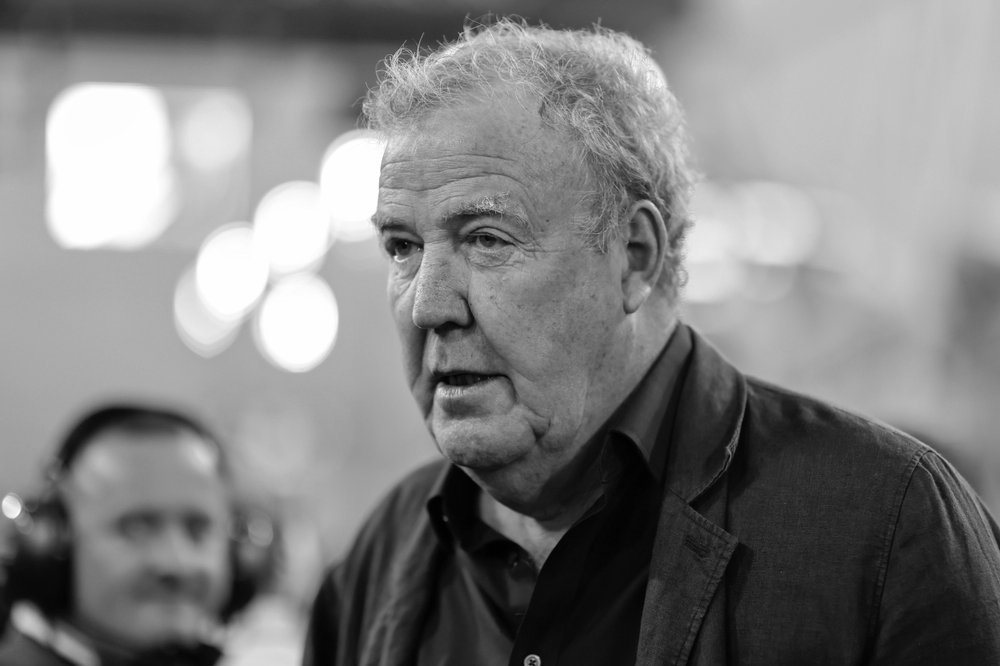
Just lately we have heard how Jeremy Clarkson, 66, bravely battled aggressive prostate cancer and a heart attack, how former newsreader Jon Snow is valiantly coping with Alzheimer’s and how Dame Esther Rantzen is smiling through a terminal cancer diagnosis. Whatever the previous reputation of these public figures, the moment they announce their illness, they become much-loved and admired luminaries, all their sins forgiven.
The outpouring of sympathy for Clarkson has shown that if he wasn’t a national treasure before, he certainly is now. Yet those of us with long memories may recall an incident in 2015 when Clarkson punched Oison Tymon, an Irish producer on his Top Gear show, and was forced to apologise and pay out around £100,000 for racial discrimination and injury. As a result, Clarkson’s contract with the show was cancelled and he was forced to take it elsewhere, although the BBC retained the Top Gear title and its associated intellectual property.
Now the opprobrium that was heaped on him for losing his temper has been turned into lavish praise for going public about his illness and urging men to get tested for this form of cancer.
‘Please, please,’ he has urged, ‘go and get checked.’ Craven journalists have lapped it all up and lauded this presenter for speaking out about his diagnosis. Prostate cancer has turned the combative, attention-seeking Clarkson into a hero. Can a knighthood, one wonders, be far behind?
Jon Snow, his ‘old leftie’ tag long forgotten, has gained the most positive and widespread accolades of his career for making a television programme about his Alzheimer’s diagnosis. Jon has ‘heartbreakingly shared’ his struggles with dementia, cooed the Daily Mirror, adding, ‘We’re with you, Jon.’
Along the way, Snow’s wife, Dr Precious Lunga, has also become a celebrity. There has been no criticism of this couple’s decision to have a son by surrogacy in 2021, even though 78-year-old Snow’s chances of seeing the lad grow up are extremely slim.
Even if you were not a celebrity before, illness can turn you into one. We may remember Deborah James, created a Dame for raising awareness, as they say, of bowel cancer and pictured gamely grinning through her pain and treatment. We may also recall that the late Dame Jenni Murray made a lucrative late-life career as a columnist charting her many illnesses and health setbacks. As a result, she was also awarded national treasure status.
The Royal Family has in many ways rehabilitated itself by speaking out about the cancers seemingly suffered by two of its most prominent members, King Charles and the Princess of Wales. In so doing, they have greatly enhanced their reputation and silenced any critics. Nobody would dare to speak ill of a public, or even private, person, who has received a cancer diagnosis.
Any breath of criticism would immediately be suppressed with, ‘Don’t you know that they have cancer?’ I have nothing against Kate, who is always smiling and elegant, but is it too unkind to point out that she must be the only cancer patient whose hair has grown longer, thicker and glossier after chemotherapy?
So why are celebrities not accorded sainthood for remaining well instead of gaining favourable column inches for going public about their illnesses?
For one thing, illness is more dramatic than health and for another, any mention of serious illness gives Big Pharma another chance to plug its pills and treatments and for cancer and allied charities to muscle in with renewed requests for donations to ‘find a cure’. Jeremy Clarkson has revealed that he is now on ‘buckets’ of pills, including statins and blood thinners.
At the same time, he is full of praise for the medical profession. He wrote, in a recent article for the Sunday Times, ‘I just think, with medicine, doctors know what they are doing’ and he likened undergoing medical treatment to taking your car for a service. https://www.thetimes.com/uk/healthcare/article/jeremy-clarkson-interview-prostate-cancer-diddly-squat-9xbdz0x5g Although I might consult Clarkson for advice on a car, I am not prepared to view him as a medical oracle.
And do doctors always know what they are doing? Those of us who have been monitoring the antics of medics in recent years may take a different view. Even Clarkson has admitted that he stymied his treatment by putting himself back on blood thinners after they had been halted during prostate therapy. He does not explain exactly what happened but says that some of the treatment ‘had gone awry’, adding that it was his own fault. Don’t blame the dedicated doctors, whatever you do.
Huge amounts of money are spent on current medical treatments: the total UK healthcare expenditure in 2025 was £345billion, or around £5,000 per person. In spite of this vast sum, it remains rare for anybody diagnosed with a serious illness to make a full recovery and be restored to glowing health. The best that can usually be hoped for is ‘management’, which means a lifetime on pills and/or cutting out the offending parts.
And rather than bestowing a halo on celebrities and others who make known their health problems, we should perhaps reserve our admiration for those who manage to avoid both doctors and illness and cost the NHS nothing.
But – you can’t really make a heartbreaking television programme about that.