THE mainstream media seem surprised by the collapse of the Labour vote, particularly in Wales. While they have wittered about Labour’s historic heartlands and fretted about the rise of Reform, they have missed the surge in Plaid Cymru and Reform’s abject failure to build on its achievements in Wales in the general election. For every vote Reform picked up, Plaid gained more than two.
For those not au fait with Welsh politics, the Principality is cursed with a Senedd which has recently increased its size and operating costs by 60 per cent. It’s also changed the voting method (again) to the d’Hondt PR method. Worse, it has adopted closed party lists, a system which places political parties in complete control of candidate selection. In Reform that translates as the apparatchiks, not the branch members (despite what they were promised in the party’s new constitution in September 2024).
Closed lists also eliminate by-elections: if an elected member dies or must leave the Senedd, the next on this list steps up. Moreover defections become impossible: a member changing party falls off their old party list and may not join another party’s list. As they don’t say in Cardiff Bay, ‘It’s democracy, bach, but not as we know it.’ It’s a rotten system designed to protect the status quo.
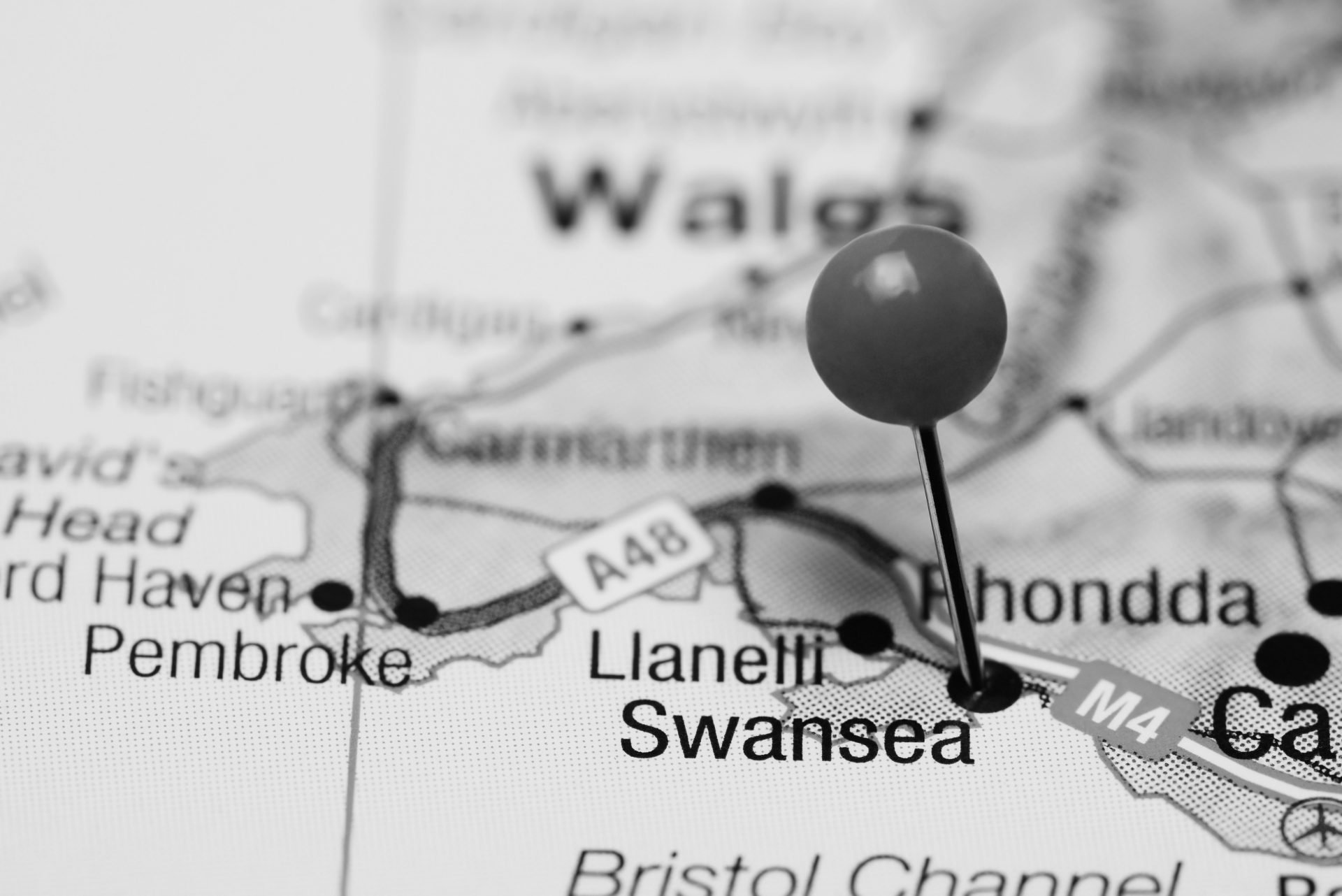
The chart below focuses on the Gower and Swansea West constituency, which I know well. I live there. I stood there for Reform in the 2024 general election, built the Reform branch and designed and ran the campaign until I left Reform in late March.

The standout fact is the extraordinary growth of the Plaid Cymru vote share. Having supported Labour for most of the past quarter century, Plaid is tainted by association with the hated rule of Drakeford, Gething and Morgan in the Senedd. Under that regime Welsh public services remained even worse than in the rest of the UK.
How the heck did Plaid win in Swansea? How on earth did Labour do so well in a Labour-run city that struggles to collect rubbish or fill potholes, let alone deliver education and healthcare? Why did Reform come up so short?
Plaid, like Labour, the Greens and the Lib Dems, is a progressive party. A vote for any of them was a vote for the failing status quo, yet that’s what happened. For every ten votes Reform got, the progressives received 22, of which 12 were for Plaid. Why?
The routes to electoral failure are poor candidates, rotten policies, weak communication and pathetic campaigning. Reform managed all three.
Candidate selection was flawed and, in the end, overridden on the leadership’s whim. Of the 30 candidates who stood in the 2024 general election that put Reform on the political map, just five made it on to the top of the lists. Most of the rest were Tory defectors. Wales doesn’t generally vote for Tories, but the leadership didn’t care.
Candidate selection was also delayed. That was partly due to the priorities of other by elections (all lost). It was not helped by the atmosphere in Reform HQ created by Zia Yusuf in his tenure as party chairman (he resigned in a hissy fit in June 2025). HQ apparatchiks demand obedience from the people who pay their wages, do the hard yards and stand for election. It’s not a recipe for success.
Candidates weren’t told where they were on the list until late March 2026, despite the process being completed in December. Other parties had announced their candidates in January, which meant they were able to get on with engaging with their constituency and the press. The public faces of Reform Wales were an ex-Tory defector in the Senedd and an ex-Tory Swansea county councillor; hardly the harbingers of change. When the lists were finally announced about 10 per cent (including me) resigned, which caused several rapid rewrites. The lists included people in high rankings who had failed candidate selection.
The policies were even worse; if all a party can come up with as a policy point is the banal ‘Putting Wales First’ it’s in trouble. Before the Turquoise Tory takeover, Reform’s line had been ‘We’re not politicians, we’re businesspeople. We get stuff done. We’ll fix inefficiencies and spend the savings on improving services. Believe us; that’s what we do in our day job.’ Too many of the Turquoise Tories had been careerist political aides, so were unable to make that argument.
Absent credible policies, the communication package was designed round pictures of Nigel Farage. Two problems with that: Nigel wasn’t standing, and for all his brilliance he is a Marmite character. His net approval rating in March was -39 and had been falling. For every person that approves of Nigel Farage, two hate him. Every leaflet distributed, every social media post was twice as likely to alienate voters as to attract them.
Framing Reform’s ambition as putting Nigel Farage in Downing Street was also destructive – naked ambition deters most Britons. Worse, if motivated the progressives to coalesce around a ‘Stop Reform & Farage’ campaign, which may have triggered tactical voting. (That might explain the low Green vote in Swansea).
The control freaks in Reform HQ (none of whom has ever stood for election) banned candidates from speaking to the press, made unreasonable demands of volunteers delivering leaflets and treated unpaid branch chairpersons as underperforming employees. They obsessed about reporting voting intentions to HQ, not about winning the arguments.
In 2024, Reform Wales was the party that challenged the failed British electoral system (the natural next step from leaving the failing EU). Two years later it has acquired all the bad, self-serving nepotistic habits of the more established parties. It has imposed a discipline so rigid that that it makes the KGB look like hippies, and it failed.
Reform was behind the curve in policy development, candidate selection and appointment of a leader. It didn’t trust its candidates to speak to the press (if Reform HQ doesn’t trust its candidates, why should the electorate?). From a late start it couldn’t win the arguments against the open goal of a quarter of a century of progressive failure. Second place isn’t impressive: that’s where Reform was in Swansea two years ago. For all the money, time and effort Reform has stood still.
Roman emperors used to have a slave behind them saying ‘Remember you are mortal.’ Hubris, arrogance and ambition have destroyed the Reform that Richard Tice built, the one that won more votes than the Lib Dems. Yusuf, Farage and their flunkeys have much to answer for.
I’ve left Reform, as have many others. More will.