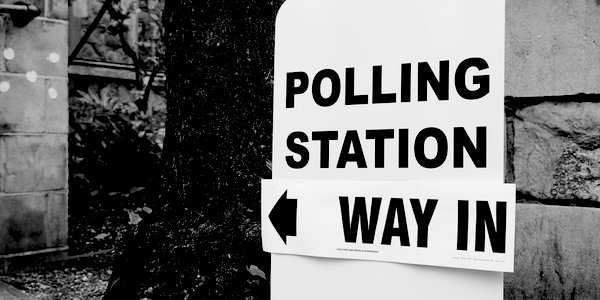
THE Makerfield by-election confirms, once again, how difficult it is for pollsters to predict election results. Could there be a better way to approach this?
In summary, these were the results:
Labour 54.8 per cent
Reform 34.5 per cent
Restore 6.8 per cent
Conservatives 2.2 per cent
If we compare the weighted average of five Makerfield constituency polls and compare them with the actual results of Thursday’s election, they are a bit out (as with Gorton and Denton and in fact most elections).
The Makerfield results are notable for a number of reasons, including the low votes for the Greens and the Lib Dems, which show how much who people vote for depends on individual choice and decision and that the number of people who are consistently loyal to a given party is increasingly low.
This was (obviously) about more than electing a local MP. Reform’s local election pitch to ‘get Starmer out’ may have backfired here.
Restore did reasonably well for a first outing – much better than Advance UK did in Gorton and Denton. Advance have now sensibly chosen to close their political party.
There were two other parliamentary by-elections on Thursday and 15 local council elections. The results of the local contests are rather varied. The 15 local elections produced 11 holds and four switches (all between Reform and the Conservatives). While there have been too few contests since the May local elections to be certain, the results so far suggest the Makerfield result is an anomaly or a different type of contest. The Labour vote share has generally fallen in these contests as this tweet shows:
I have looked at the problems with polls and detailed my thoughts in this Better Statistics article.
There are a number of reasons, the most important of which is the rather blunt observation that the results depend on who votes and how they vote. Pollsters face challenges getting a representative sample and the questions they ask could be improved. Yet they seem stubbornly attached to their old methods. However as I have previously reported on TCW we at Better Statistics CIC have tested a different approach to voting intention questions.
Please this link to try them out. You can opt in to get results and tell us what you think of them!
If you appreciated this article, perhaps you might consider making a donation to The Conservative Woman. Unlike most other websites, we receive no independent funding. Our editors are unpaid and work entirely voluntarily as do the majority of our contributors but there are inevitable costs associated with running a website. We depend on our readers to help us, either with regular or one-off payments. You can donate here. Thank you.
If you have not already signed up to a daily email alert of new articles please do so. It is here and free! Thank you.