DO the myriad absurdities of modern life propel you into taking more frequent strolls down the boulevard of dreams known as Memory Lane? A place where, one sage wryly observed, you are guaranteed to meet a better type of person.
I found myself sauntering down this sanity-bedecked thoroughfare while engaged in what these days is a truly Sisyphean task: contacting your GP.
Thinking to avoid the 8am scramble, I called at 9am – a time when I thought the back of the ‘we are experiencing a high volume of calls’ message might have been broken. How wrong was I? After the obligatory prologue ‘if you are suffering a life-threatening emergency’ reminder, you are then assailed by a windy recorded message extolling the ease of contacting the surgery via their super new ‘e-consult’ before being portentously reminded that prescription requests are not allowed via the phone. You know the epilogue is nigh when the robotic voice announces your place in the queue.
I was told: ‘You are caller number 35’. Ho hum, that’s progress for you. I could only hope that the earlier callers had readied themselves appropriately with a thermos, sandwiches and easy access to a thunderbox.
While it can be argued that the digital revolution has delivered multiple benefits to various sectors, the NHS – and let’s be honest, seemingly every institution funded by the State (alongside a depressing number of private institutions) – appears impervious to improvement. Technology has been embraced, not to benefit the consumer, but to shield many work-from-homeemployees from the individuals funding their salaries and inflation-proofed pensions.
Across the land countless hours are racked up by countless thousands of people waiting for staff to hit the pause button on A Place in the Sun and digest the last custard cream crumb prior to picking up the phone. The whole charade is now so deeply embedded that a 30-minute wait scarcely raises an eyebrow – it’s the accepted way of doing things.
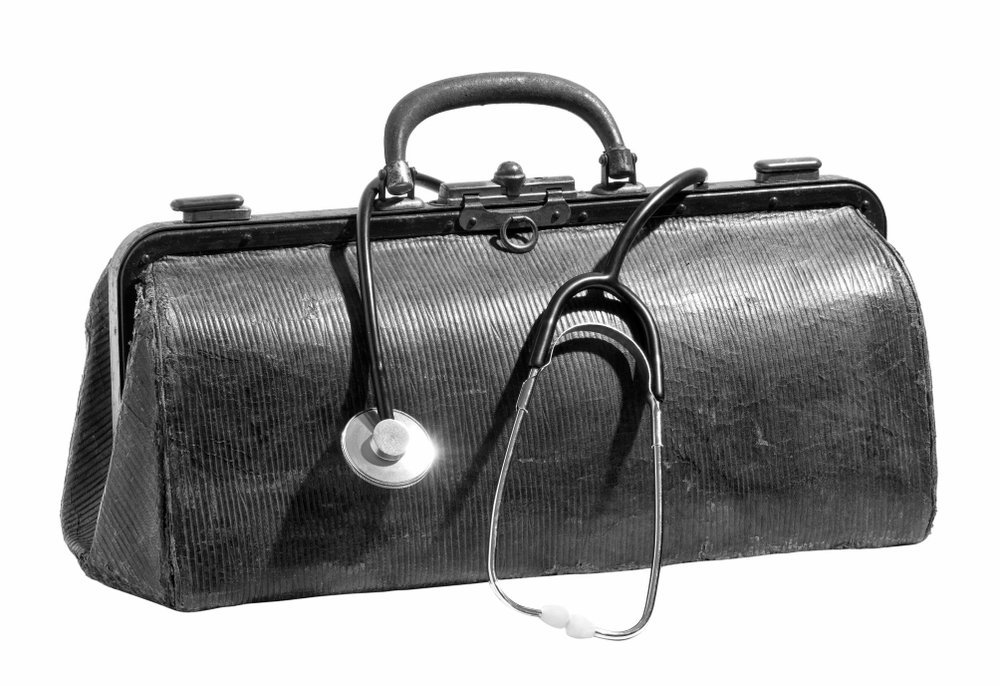
Down Memory Lane there was a family doctor – a two-word term that today seems quaintly Victorian. A practitioner familiar with a whole family and someone uniquely placed to intuit issues that might otherwise go unnoticed. A concept now, like so many sensible ideas, sacrificed on the altar of efficiency.
When patient records were contained in a buff-coloured card folder, it was so much simpler. The surgery was presided over by an efficient cadre of clerical staff who ensured that appointments, referrals, home visits and outside hours care were all competently managed.
I well remember our family doctor. If you had an Etch-a-Sketch and depicted a traditional GP, you would have got our GP. Knowledgeable, kindly, helpful and with a reassuring patrician mien, dressed, whatever the season, in a heavyweight well-cut double-breasted suit, he not only looked the part but was the real deal. Shirtsleeves were not part of his workwear.
Of course, in the 60s and 70s a GP was not only a person of substance in the locality, but an individual who inspired respect and admiration. Additionally, he (or she) knew that this regard carried with it responsibilities, and wore these obligations with pride.
How have we got so far away from a time in living memory when access to GPs was available at the end of a single phone call, home visits and in emergencies night calls were all part of the service, and your wellbeing was, or seemed to be, a priority?
The NHS has grown from the seeds of good intention into an avaricious political monster, devouring ever-larger sums of money and delivering lower levels of care. Tinkering by innumerable and forgettable Health Secretaries has done little to address the root causes of its problems.
The growing number of people, especially older ones, now compelled by pain to spend their hard-earned savings on private operations is a shameful stain on society. A betrayal of the supposed contract between state and individual, a treachery that should be shouted from the rooftops.
Yet, as we all know, criticism of the NHS is considered beyond the pale. Despite escalating waiting lists and patients finding access to GPs an increasing rarity, we persist in an illogical idolisation of a deity-like edifice that to all intents and purposes has abandoned us.
For those who wish to see, difficult decisions need to be made. Devoid of saccharine-infused sentimentality, choices – some unpalatable – are required if the public are to be delivered of a health service fit for purpose,to use the argot so beloved of politicians.
Regrettably there is no one in any party who looks as though they have the cojonesfor a protracted and bruising battle with the public and the NHS itself.
However, one thing can be guaranteed with utmost certainty, and this is that the Prime Minister’s recent paean to AI and how it will lead to a revolution in healthcare will prove to be complete humbug. The state’s track record with IT is questionable at best. You just know that this technology-driven change will deliver a chimera of the Post Office’s Horizon operating system with the speed of HS2.
Where do we go from here?